
Clay Tile Roofing
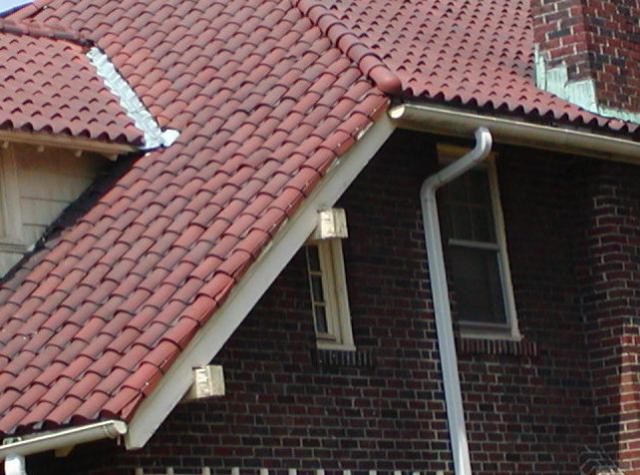
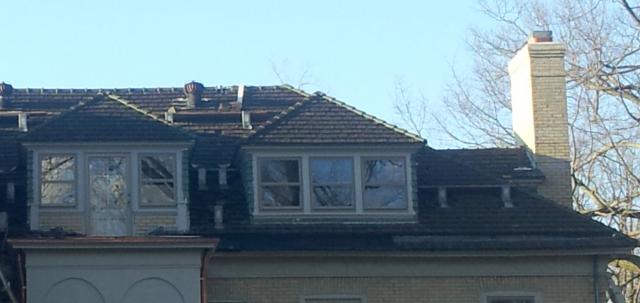
Clay Tile Roofing has been admired for centuries for its timeless beauty, exceptional durability, and architectural elegance. Found on everything from historic estates and churches to Mediterranean, Spanish, and luxury custom homes, a properly installed clay tile roof can provide generations of dependable performance when maintained by experienced craftsmen.
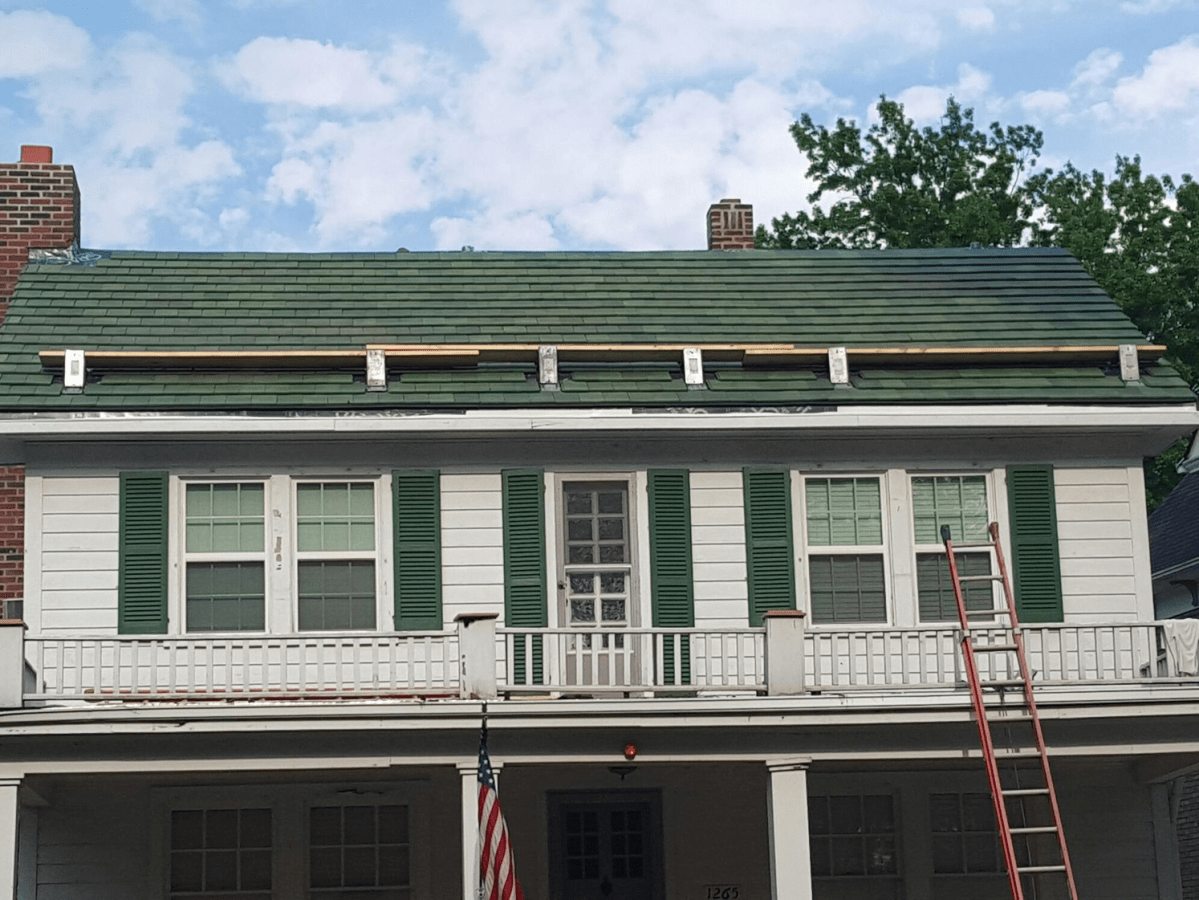
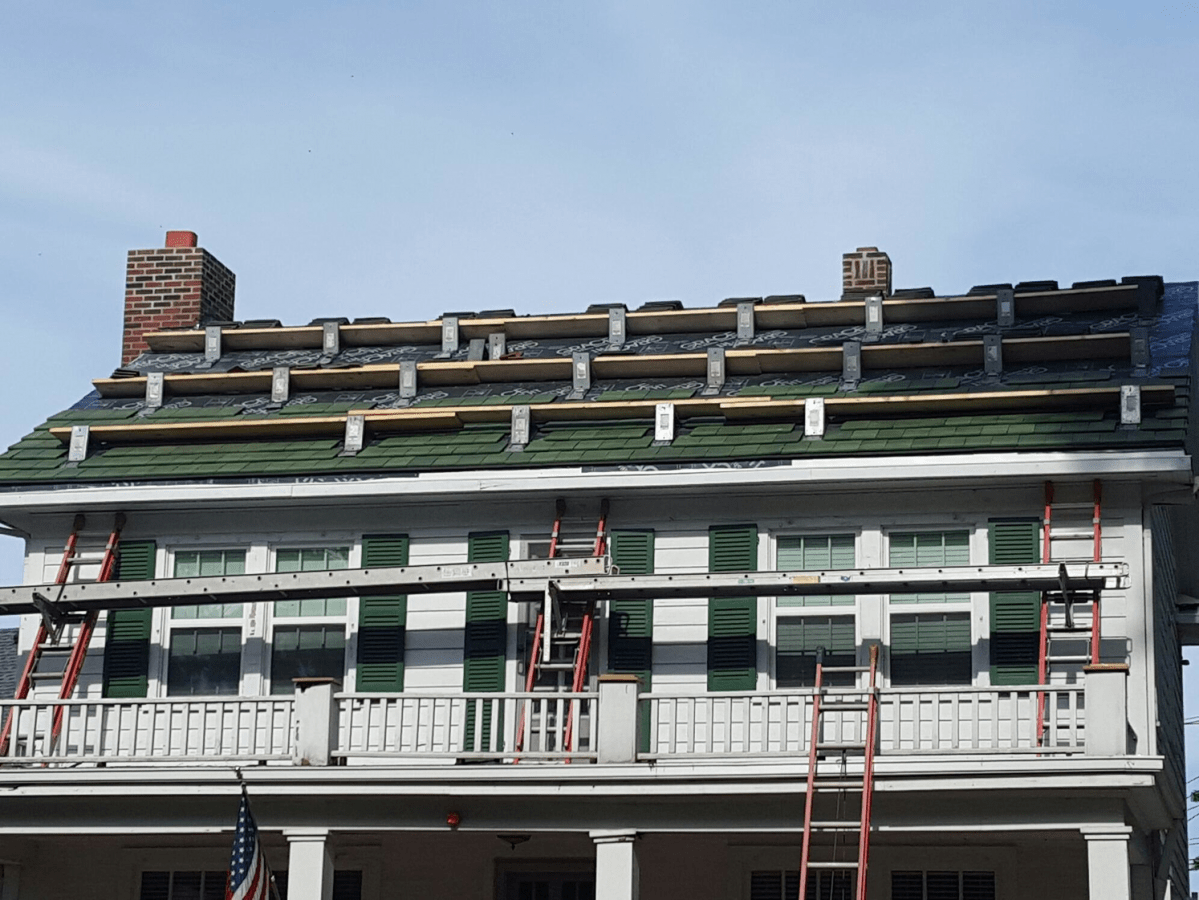
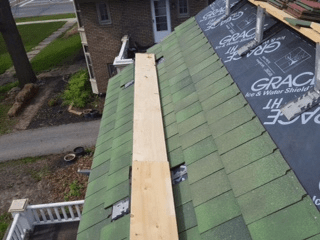
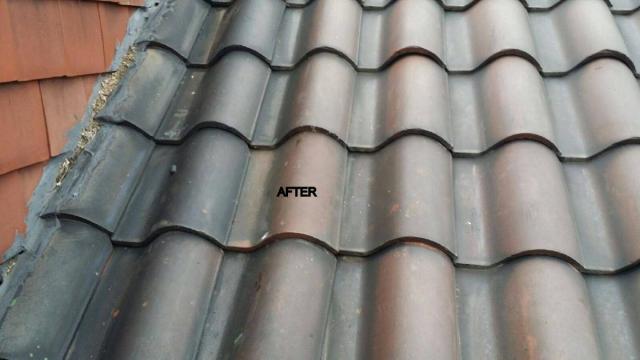
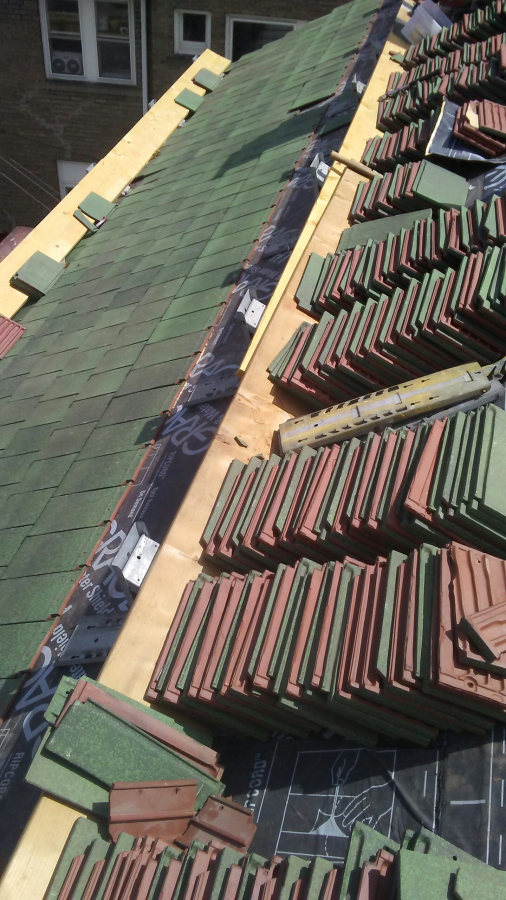
At Matteo Gutter Systems, we specialize in the installation, restoration, repair, and maintenance of Clay Tile Roofing systems. Our craftsmen understand that preserving a tile roof requires more than simply replacing broken tiles—it requires knowledge of the entire roofing system, including flashings, drainage, ventilation, and structural support.
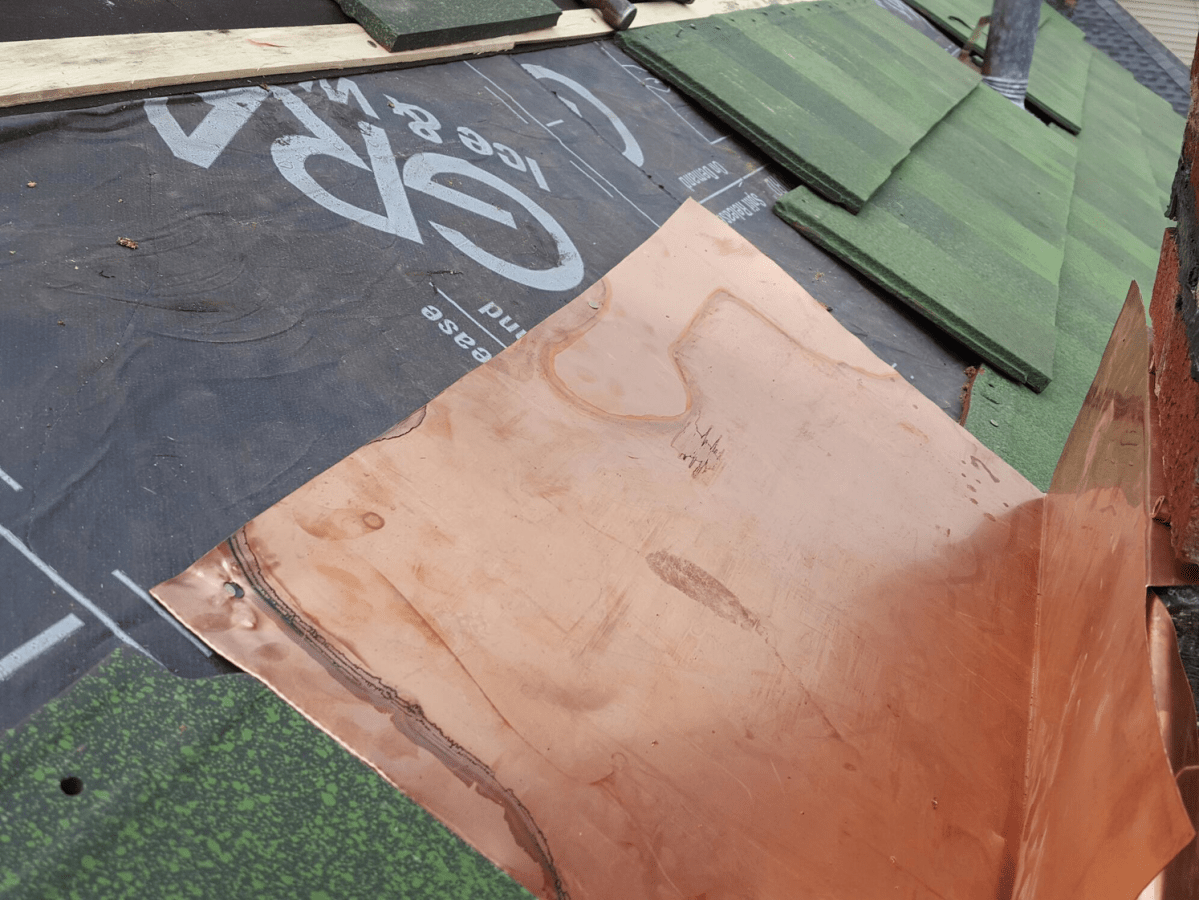
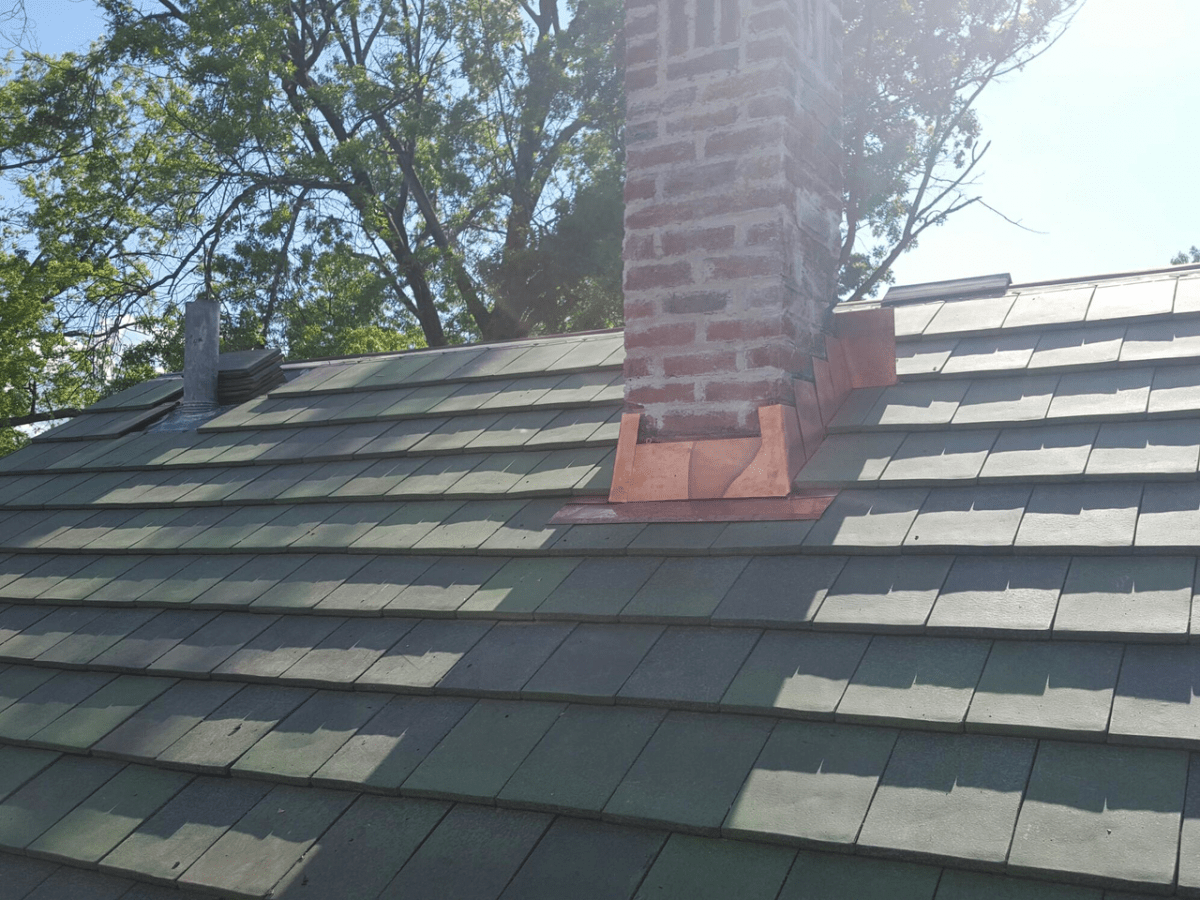
Our experienced sheet metal craftsmen fabricate historically accurate custom flashings, decorative architectural sheet metal, copper gutters, copper downspouts, chimney flashings, valleys, and other specialty details designed to complement your home’s original architecture while providing superior weather protection.
Because many clay tile roofs are found on historic and architecturally significant buildings, we approach every project with respect for the original construction methods while incorporating today’s proven materials, installation techniques, and building practices. Our goal is to preserve the beauty and character of your roof while improving its long-term performance and reliability.
Whether you need repairs following storm damage, replacement of aging flashings, restoration of a historic tile roof, or a complete roofing project, Matteo Gutter Systems delivers the craftsmanship, precision, and attention to detail that a Clay Tile Roofing system deserves.



Frequently Asked Questions
How long does a clay tile roof last?
Clay tile is one of the longest-lasting roofing materials available. When properly installed and maintained, a clay tile roof can last for generations. In many cases, the tiles themselves outlast the flashings, underlayment, fasteners, and other roofing components, making periodic maintenance and restoration essential to maximizing the roof’s lifespan.
Can broken clay roof tiles be replaced?
Yes. Individual damaged tiles can often be replaced without replacing the entire roof. The success of the repair depends on the condition of the surrounding roof system and the availability of matching replacement tiles. Our goal is always to preserve as much of the original roof as possible whenever practical.
Do clay tile roofs require special maintenance?
Yes. While clay tile is extremely durable, periodic inspections are important. Broken or displaced tiles, deteriorated flashings, aging underlayment, and clogged valleys can all allow water to enter the roofing system. Addressing these issues early can help prevent more extensive and costly repairs later.
Why do clay tile roofs leak?
In many cases, leaks are not caused by the tiles themselves. More commonly, they result from deteriorated flashings, worn underlayment, damaged valleys, failed penetrations, or other roofing components that have reached the end of their service life. A proper inspection evaluates the entire roofing system—not just the visible tiles.
Can you match existing clay roof tiles?
In many cases, yes. We work to match the size, profile, color, and style of the existing tile as closely as possible. While an exact match is not always available—particularly on older or discontinued products—we make every effort to preserve the original appearance of the roof.
Why are custom flashings important on a clay tile roof?
Flashings protect the most vulnerable areas of the roof, including chimneys, valleys, skylights, dormers, and roof transitions. Because clay tile roofs often last much longer than the original flashings, replacing aging sheet metal is a common part of restoration work. Properly fabricated flashings help protect the roof while preserving its architectural character.
Can a clay tile roof be restored instead of replaced?
Often, yes. If the roof structure and the majority of the tiles remain in good condition, restoration may be a cost-effective alternative to complete replacement. Restoration can include replacing damaged tiles, installing new flashings, repairing structural components, improving drainage, and addressing other deficiencies while preserving the existing roof.
Can modern roofing materials be used with historic clay tile roofs?
Yes. When appropriate, modern underlayment’s, fasteners, flashing materials, and installation techniques can improve the long-term performance of a clay tile roof while preserving its original appearance. The goal is to respect the historic character of the building while incorporating proven materials where they provide lasting benefits.
Can snow retention systems and heat cables be installed on clay tile roofs?
Yes. Clay tile roofs can often be equipped with professionally designed snow retention systems and self-regulating heat cables where appropriate. Because every roof is unique, we evaluate the roof’s design, drainage patterns, and areas prone to snow and ice accumulation before recommending a solution.
Why should I hire a contractor experienced with clay tile roofing?
Clay tile roofing is one of the most specialized roofing systems in the industry. Successful repairs and restorations require knowledge of tile installation, custom sheet metal fabrication, flashings, drainage, ventilation, and structural support. At Matteo Gutter Systems, we evaluate the entire roofing system—not just the broken tiles—to develop long-term solutions that preserve the beauty, integrity, and performance of your roof for years to come.