
Heat Cables
Ice dams can cause serious damage by allowing melting snow to back up beneath your roofing system, leading to leaks, damaged insulation, stained ceilings, rotted wood, and costly interior repairs.
At Matteo Gutter Systems, we don’t simply install heat cable—we first determine why the ice is forming. Roof design, insulation, ventilation, gutters, valleys, skylights, and other architectural features all play a role in how ice develops. Proper diagnosis is the key to designing an effective, energy-efficient solution.
Professional Self-Regulating Heat Cable Systems
We stock over 100,000 feet of professional-grade self-regulating heat cable for both residential and commercial applications.
Unlike inexpensive constant-wattage cables, self-regulating heat cable automatically adjusts its heat output based on surrounding temperatures, helping improve efficiency while protecting vulnerable areas of your roof and gutter system.
Custom Designed for Each Unique Situation
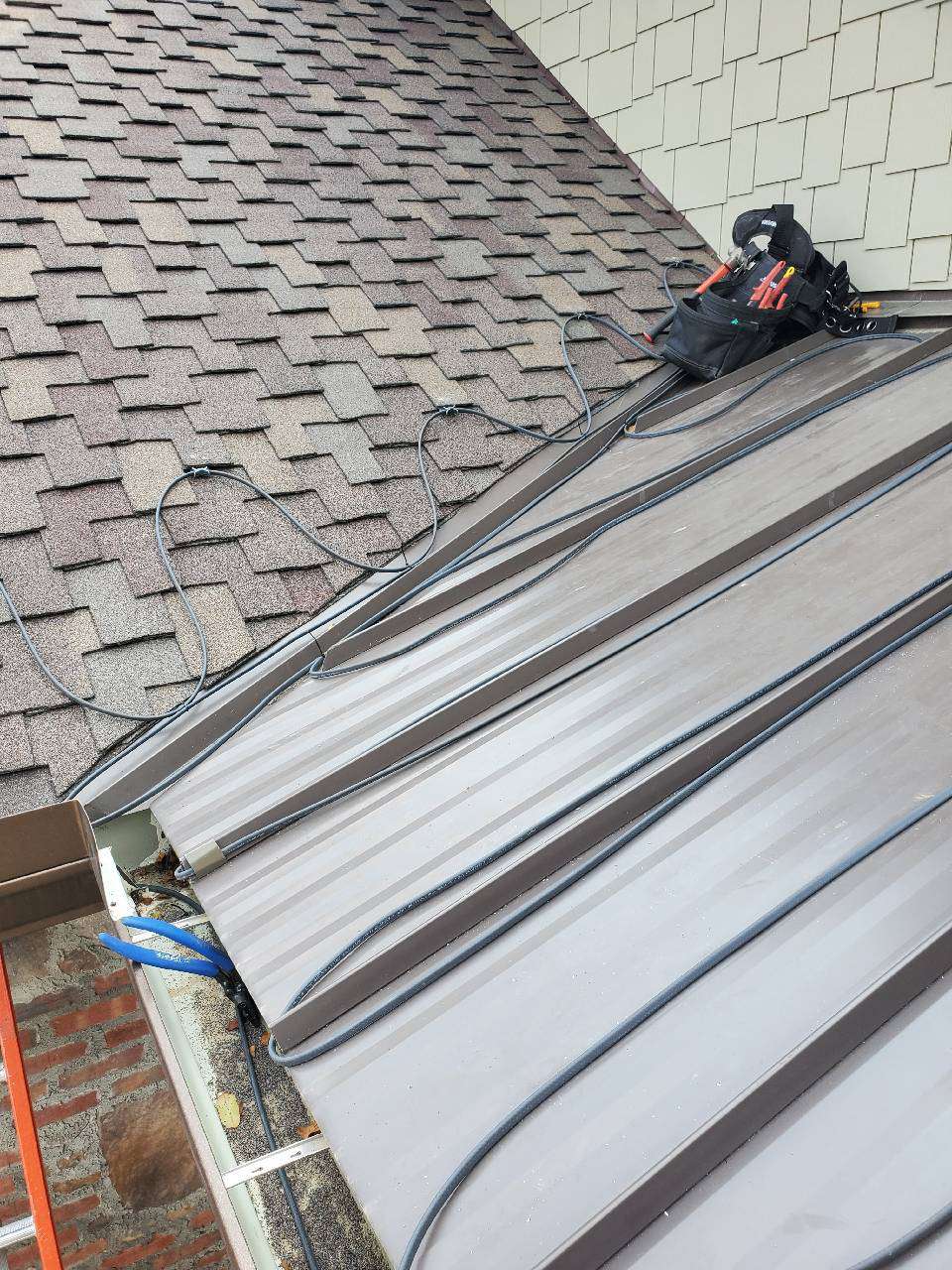
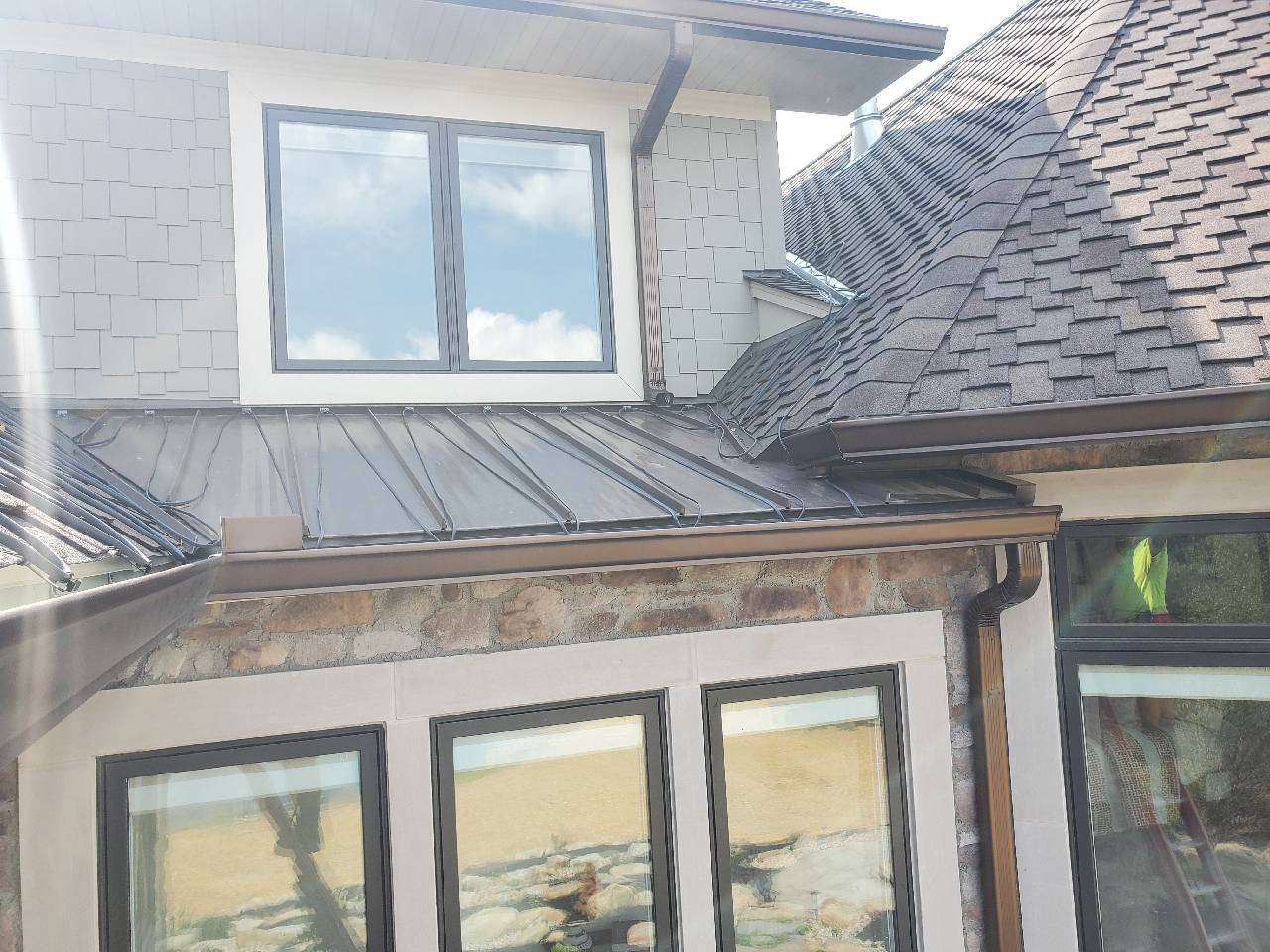
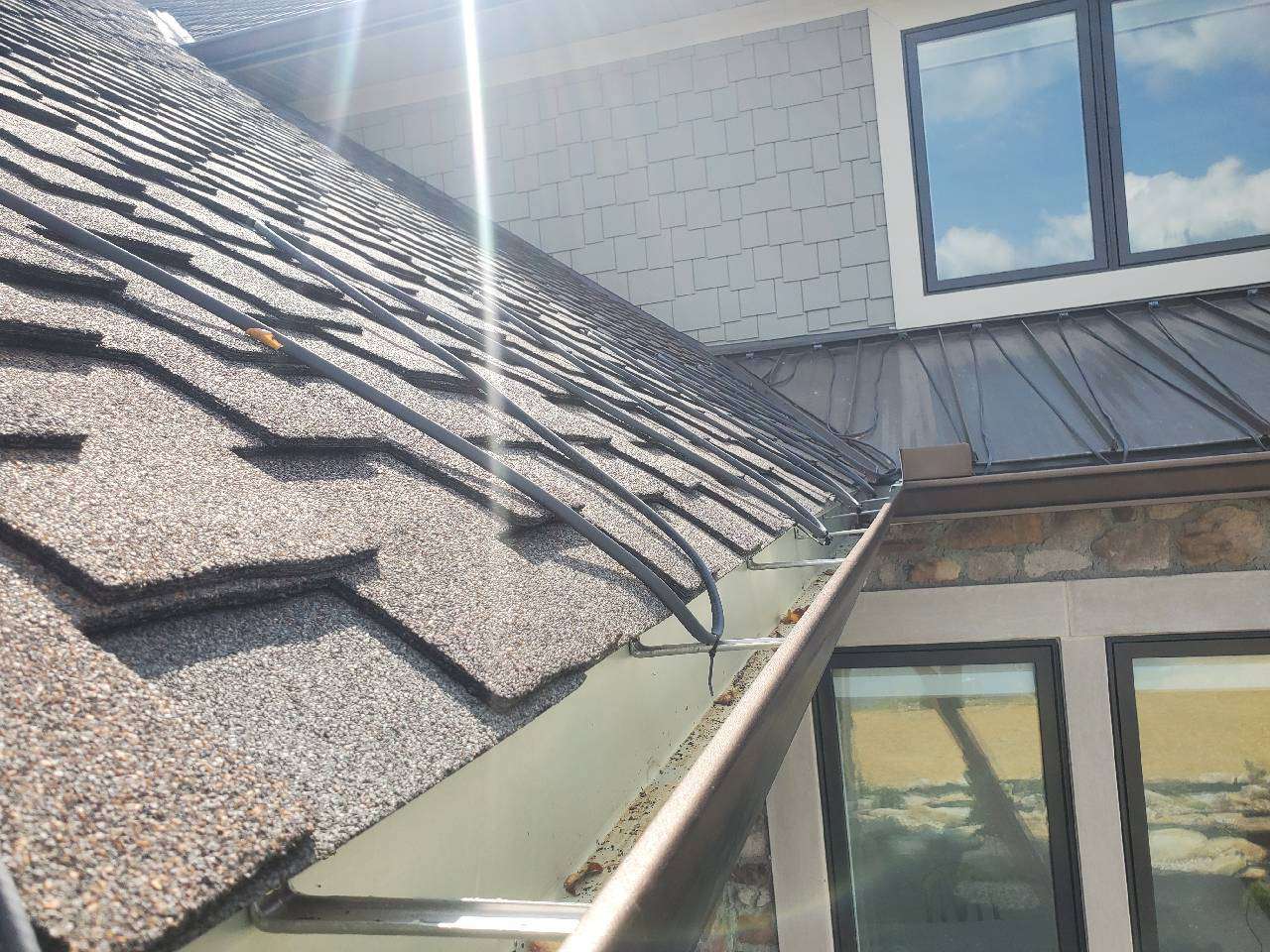
Every heat cable system is custom designed for the specific architecture of your home. We cut each cable to the exact length required and professionally terminate every system using commercial-grade components for a clean, reliable installation.
Whether your project involves roof edges, valleys, gutters, downspouts, skylights, box gutters, or Yankee gutters, our experienced team can design a system that addresses your home’s unique ice dam challenges.
Experience Matters
Many ice dam problems are caused by issues beyond the roof itself. With decades of experience in roofing, gutters, drainage, ventilation, and architectural sheet metal, Matteo Gutter Systems can help identify the most effective solution to protect your home from recurring ice backup and winter water damage.
Watch this video to learn more about what causes Ice Dams: https://www.youtube.com/watch?v=FnRGv41jddU


Frequently Asked Questions
What are roof heat cables?
Roof heat cables are electric heating systems installed along roof edges, valleys, gutters, and downspouts to create channels that allow melting snow and ice to drain safely from the roof. Their purpose is to help reduce ice buildup in vulnerable areas and improve winter drainage.
Do heat cables prevent ice dams?
Heat cables can help reduce ice dam formation in certain locations, but they do not eliminate the underlying causes of ice dams. Heat loss, inadequate insulation, poor attic ventilation, air leaks, and roof design all contribute to ice dam formation. For the best long-term results, these factors should also be evaluated.
Does every home with ice dams need heat cables?
No. Every home is different. Some homes benefit from improved attic insulation or ventilation, while others have roof designs where heat cables provide an effective solution. The appropriate recommendation depends on why the ice dams are forming—not simply the fact that they exist.
Where are heat cables installed?
Heat cables are typically installed along roof edges, inside gutters, downspouts, roof valleys, around dormers, and other areas where snow and ice commonly accumulate. The exact layout depends on the roof’s design and the specific areas experiencing winter ice buildup.
Can heat cables be installed on any type of roof?
In many cases, yes. Heat cable systems can be installed on asphalt shingle, slate, cedar, clay tile, standing seam metal, and other roofing systems using installation methods appropriate for each roofing material. Proper attachment methods are essential to protect the integrity of the roof.
Do heat cables use a lot of electricity?
Electrical usage depends on the length of the cable, operating temperature, and how frequently the system runs. Many modern systems use self-regulating technology that automatically adjusts heat output based on surrounding temperatures, helping improve efficiency compared to older constant-output systems.
Can heat cables damage my roof?
When professionally designed and installed using manufacturer-approved methods, heat cable systems are intended to work safely with the roofing system. Improper installation, however, can damage roofing materials or create maintenance issues, making proper design and installation important.
Will heat cables stop gutters from freezing?
Heat cables can help keep gutters and downspouts open by creating a path for melting water to drain. However, if the underlying causes of excessive snow melt remain unaddressed, ice buildup may still occur elsewhere on the roof.
Can heat cables be installed after my roof is already finished?
At Matteo Gutter Systems, we only recommend self-regulating heat cable systems because they automatically adjust their heat output based on surrounding temperatures. This helps improve energy efficiency, reduce unnecessary power consumption, and provide reliable performance during changing winter conditions.
What type of heat cable does Matteo Gutter Systems recommend?
Yes. Heat cable systems are installed on existing homes without replacing the roof. The appropriate installation method depends on the roofing material, roof condition, and the areas requiring protection.
Why choose Matteo Gutter Systems for heat cable installation?
We don’t believe every home needs heat cables—and we don’t believe every ice dam problem can be solved with them. Before recommending a heat cable system, we evaluate the entire roofing system, including insulation, attic ventilation, roof design, flashing, gutters, and drainage. If heat cables are the right solution, we’ll design a system specifically for your home. If another solution will provide better long-term results, we’ll explain that as well. Our goal is to solve the problem—not simply install a product.
Why do my neighbors have heat cables but I don't need them—or vice versa?
No two homes perform exactly the same during the winter. Differences in attic insulation, air leakage, ventilation, roof orientation, roof pitch, architectural design, gutter layout, and sun exposure all affect how snow melts and refreezes. Even homes next to each other can experience very different ice dam conditions. That’s why we evaluate each home individually rather than recommending the same heat cable layout for every project.
Why shouldn't I just buy inexpensive constant-wattage heat cables from a big box store?
While inexpensive constant-wattage heat cable kits are widely available, we generally do not recommend them for permanent ice dam prevention systems.
Unlike modern self-regulating heat cables, constant-wattage cables produce the same amount of heat along their entire length regardless of outdoor conditions. This can result in higher energy consumption, unnecessary heating during milder weather, and increased operating costs.
More importantly, constant-wattage cables require careful installation. If they are improperly installed, crossed over themselves, pinched, damaged, or used in applications for which they were not designed, they can overheat and present a potential fire hazard. For that reason, many professionals prefer self-regulating systems, which are designed to automatically reduce heat output as temperatures increase and are generally considered a safer, more efficient solution for long-term use.
Just as important as the cable itself is the design of the system. A professionally designed heat cable installation considers the roof’s architecture, roof pitch, valleys, gutters, downspouts, drainage patterns, and the specific areas where ice dams develop. Simply purchasing a cable kit and installing it in a standard zigzag pattern may not solve the underlying problem.
At Matteo Gutter Systems, we believe the goal isn’t to install the least expensive heat cable—it’s to design the right ice dam prevention system for your home using quality materials and proven installation methods that provide safe, reliable, long-term performance.