
Steam Ice Dam Removal
Ice dams can cause serious damage by trapping melting snow on your roof and allowing water to back up beneath the roofing system. Left untreated, ice dams can lead to interior leaks, damaged insulation, stained ceilings, mold growth, rotted wood, and costly structural repairs.
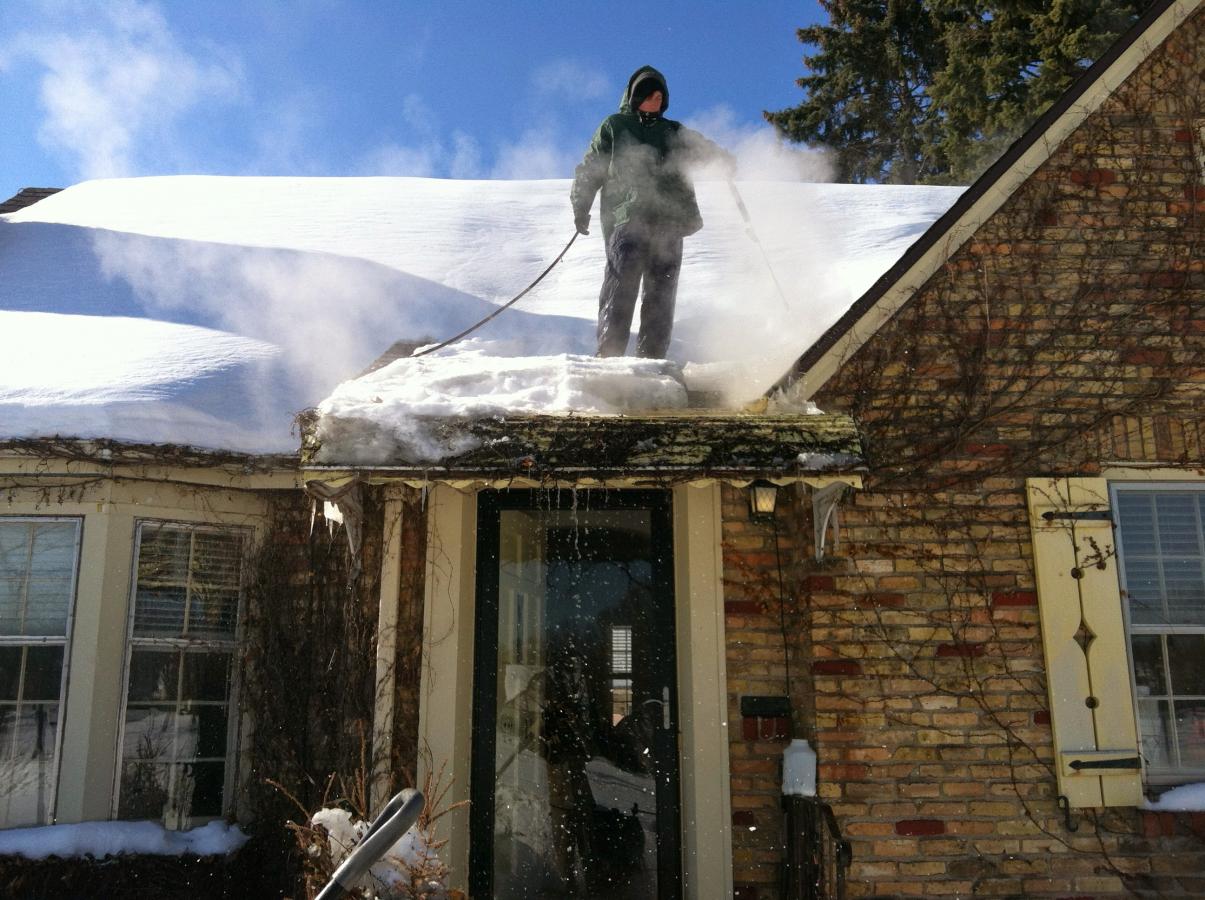
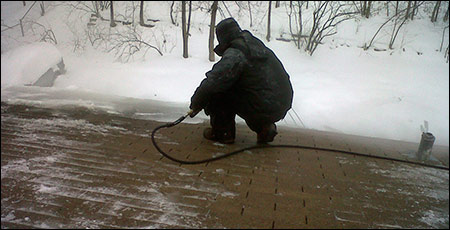
At Matteo Gutter Systems, we remove ice dams using professional steam equipment and specialized high-temperature, low-pressure pressure washing equipment designed specifically for ice removal. These methods safely melt channels through the ice, allowing trapped water to drain while minimizing the risk of damage to your roofing system.
Unlike conventional pressure washing, which relies on high water pressure, our specialized equipment uses high temperatures with controlled, low operating pressure to remove ice effectively while helping protect shingles, slate, tile, metal roofing, gutters, and other roofing components. Using the proper equipment and techniques is critical to safely removing ice while preserving the integrity of your roof.
Our experienced technicians safely remove ice dams from asphalt shingle, slate, clay tile, cedar shake, standing seam metal, and other steep-slope roofing systems, selecting the most appropriate removal method based on your roof type and existing conditions.
While emergency ice dam removal provides immediate relief, it does not eliminate the underlying cause of the problem. Recurring ice dams are often the result of roof design, inadequate insulation, poor attic ventilation, drainage issues, or other architectural factors. With decades of experience diagnosing winter ice problems throughout Northeast Ohio, Matteo Gutter Systems can identify these contributing factors and recommend long-term solutions, including ventilation improvements, insulation upgrades, professional self-regulating heat cable systems, gutter modifications, or other corrective measures designed to reduce future ice buildup.
Whether you need emergency ice dam removal or a long-term solution to recurring winter ice problems, Matteo Gutter Systems has the experience, specialized equipment, and expertise to help protect your home from costly winter water damage.
Frequently Asked Questions
What is an ice dam?
An ice dam is a ridge of ice that forms along the edge of a roof, preventing melting snow from draining properly. As water backs up behind the ice, it can work its way beneath shingles and into the home, causing damage to ceilings, insulation, walls, and other building components.
What causes ice dams?
Ice dams are typically caused by heat escaping from the home into the attic, warming the roof and melting snow. As the water flows toward the colder roof edge, it refreezes and gradually forms an ice dam. Poor insulation, inadequate attic ventilation, air leaks, and certain roof designs all contribute to ice dam formation.
How do I know if I have an ice dam?
Common signs include large icicles along the gutters, thick ridges of ice at the roof edge, water stains on ceilings or walls, wet insulation in the attic, peeling paint near exterior walls, or water dripping into the home during freezing weather.
Is an ice dam damaging my roof?
It can be. Ice dams can force water beneath shingles, damage underlayment, rot roof decking, loosen gutters, damage fascia boards, stain interior finishes, and contribute to mold growth if the problem continues. Prompt removal and proper diagnosis can help minimize additional damage.
Should I remove an ice dam myself?
Removing an ice dam can be dangerous. Working on icy roofs creates a significant fall hazard, and improper removal techniques can damage shingles, gutters, flashing, and other roofing materials. Professional removal methods are generally safer for both the homeowner and the roof.
Does removing the ice dam solve the problem?
Not necessarily. Removing the ice addresses the immediate symptom, but the underlying cause often remains. Without correcting issues such as attic insulation, ventilation, air leakage, drainage, or roof design, ice dams are likely to return during future winters.
Can ice dams damage gutters?
Yes. The weight of ice and snow can place tremendous stress on gutters, hangers, fascia boards, and downspouts. In some cases, ice can pull gutters away from the home or damage supporting wood components.
Can heat cables prevent ice dams?
Heat cables can be an effective solution in certain situations, but they are not appropriate for every home. Before recommending heat cables, we evaluate why the ice dams are forming. In some cases, improving attic insulation, ventilation, or drainage provides a better long-term solution than relying solely on heat cable.
Will my homeowner's insurance cover ice dam damage?
Insurance coverage depends on your policy and the cause of the damage. While some resulting water damage may be covered, preventative maintenance and long-term deterioration generally are not. If your home has experienced damage, we can document our findings to assist you during the inspection process.
How can I prevent ice dams from forming?
The best long-term prevention focuses on addressing the underlying causes. This may include improving attic insulation, sealing air leaks, increasing ventilation, correcting drainage issues, upgrading gutters, or installing properly designed heat cable systems where appropriate. Every home is different, so the solution should be based on a thorough evaluation of the entire roofing system.
Why do some homes get ice dams while neighboring homes do not?
Every home performs differently. Differences in attic insulation, ventilation, air leakage, roof orientation, roof pitch, architectural design, gutter systems, and even sun exposure can all affect how snow melts and refreezes. Two neighboring homes may experience very different ice dam conditions even during the same winter storm.
Why choose Matteo Gutter Systems for ice dam problems?
At Matteo Gutter Systems, we believe the goal isn’t simply to remove the ice—it’s to determine why the ice formed in the first place. We evaluate the entire roofing system, including insulation, ventilation, flashing, gutters, drainage, roof design, and other contributing factors to develop solutions that help reduce the likelihood of future ice dams. Our approach focuses on solving the underlying problem rather than providing only a temporary fix.
Are large icicles a sign of a problem?
Not always—but they often indicate that warm air is escaping into the attic and melting snow on the roof. As the water reaches the colder roof edge, it freezes and forms icicles. While small icicles can occur naturally, large or persistent icicles are frequently a warning sign of excessive heat loss, poor attic ventilation, or developing ice dams. If your home produces large icicles every winter, it’s a good idea to have the roof and attic evaluated before water damage occurs.